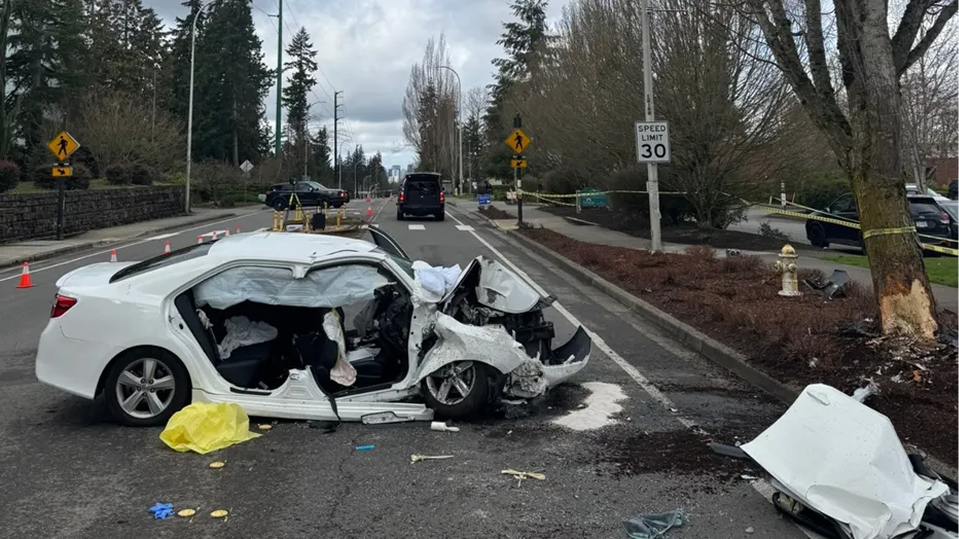
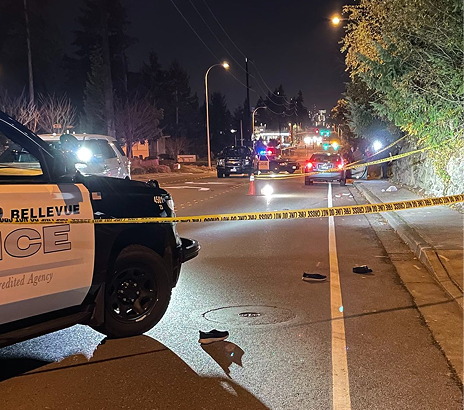
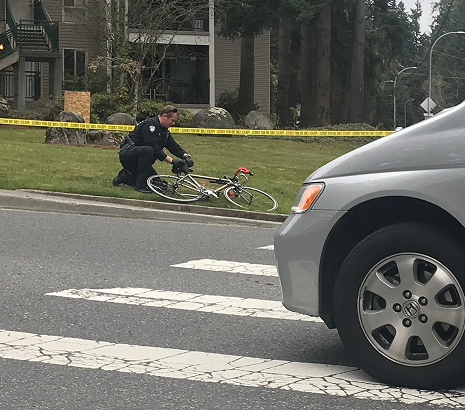
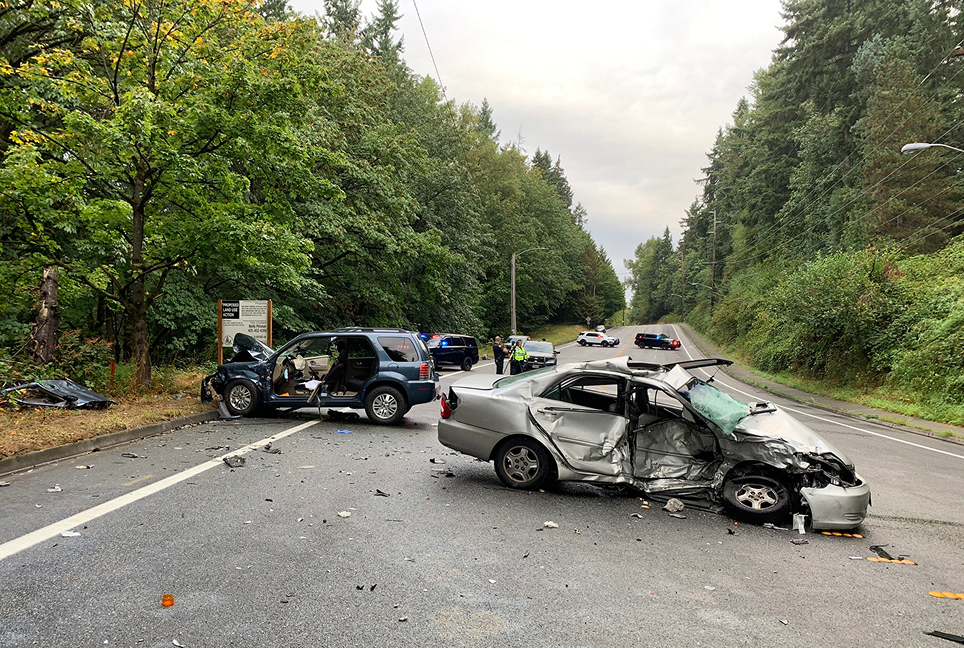
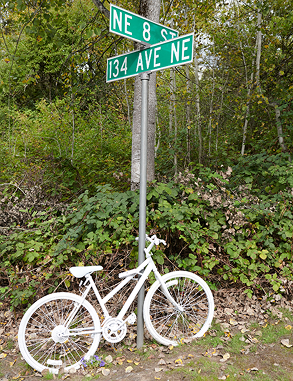
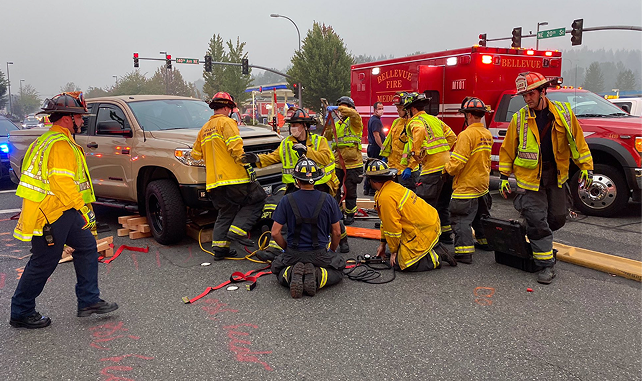
However, the current reality is far from this vision. In 2024, a record-high 36 people lost their lives or were seriously injured on Bellevue streets. This included 14 people in cars, 14 people walking or rolling, and 8 people on bikes. Every single one of these people is loved by somebody. Every single one of these people should still be here and whole.
If you agree with us and want to help make Bellevue safer for everyone, then please send a letter to Bellevue City Council expressing your support for multimodal infrastructure. We’ve got a template letter below, but please feel free to customize it to share your stories or vision for a more walkable, bikeable, and safer Bellevue.
Dear Mayor Robinson, Deputy Mayor Malakoutian, Councilmembers, and staff
Bellevue prides itself on its commitment to public safety for everyone, no matter whether they live, work, or play in our beautiful city. Shouldn’t this same high standard apply to those who travel on our streets?
As a person who cares about Bellevue, I applaud your leadership in declaring Bellevue a Vision Zero city. Nobody should suffer severe injury or lose their life just while trying to get around. Everyone who has ever had their life altered or ended in a crash on a Bellevue street is somebody’s family, friend, or loved one. It’s because traffic violence could currently happen to any one of us or our loved ones that we know that the only acceptable number of deaths on our city’s streets is zero.
Today, our loved ones are not safe because our transportation system is not safe. Wide roads in a bustling city like Bellevue enable drivers in cars to travel at high speeds, posing danger not just to other road users but to themselves. Sidewalks and bike lanes that dead end on busy streets leave vulnerable road users with nowhere to go, exposing them to extreme risk. And many neighborhoods lack any multimodal facilities at all, forcing everyone there to drive and exposing us all to more danger, pollution, and congestion. We have been led to this current situation through a series of policy, financial, and value choices – prioritizing speed over safety, or vehicle mobility over equitable access to all the great places in our city.
If we want a different system – one that reflects our shared prioritization of safety above all else – we will need to make different choices. Here is what I’d like you to choose:
- Please recommit to the deployment of proven countermeasures like bike lanes, road diets, 25 mph speed limits, and other popular street treatments to keep us safe;
- Please make it easier to reduce vehicle miles traveled (a proven safety countermeasure) by supporting mixed-use zoning, transit lanes, and complete streets facilities that reduce car dependency; and
- Please implement these facilities as quickly as possible through the strategic deployment of cost-effective, rapid-build infrastructure instead of acquiring expensive new right-of-way.
Our loved ones getting injured or losing their lives to traffic violence does not have to be normal or “the cost of doing business.” We can have a transportation system that ensures safety and mobility for all who want to travel in Bellevue. I urge you to make the choices needed to realize the vision in Vision Zero. Please be the leaders you were elected to be.
Endorsements
The following organizations have endorsed our pillars and encourage strong municipal action from Bellevue City Council:
Are you a part of a Bellevue business or organization and wish to endorse our campaign? Reach out to crandels@cs-bellevue.org for more information.
FAQs
Why should we care about Vision Zero?
Everyone who has ever lost their life or been seriously injured on Bellevue’s streets has been somebody’s family, somebody’s friend, or somebody’s loved one. Nobody should have to receive the call letting them know that their loved one has been killed or seriously injured just trying to get where they need to go. And if we truly believe that everyone deserves to get where they’re going safely, then we must acknowledge that these outcomes are not only unacceptable, they are immoral.
Vision Zero as a philosophy understands that we can make different choices to create a transportation system that prioritizes the safety of everyone who travels on our streets. We don’t have to accept these losses, these injuries, these irrevocable changes in people’s lives as “the cost of doing business.” We can have safe streets and reliable mobility for everyone who travels in Bellevue. We can have safe streets and economic vitality by enabling people of diverse backgrounds and travel modes to access important destinations. And we can have safe streets and a sustainable, resilient community when we lower our emissions and mitigate climate change by prioritizing infrastructure for low-emission modes of travel.
Is Vision Zero even possible?
Yes! Fundamentally, serious injuries and deaths occur in collisions because the human body is subjected to forces that it cannot survive. Through better street design, fewer cars on the road, and lower speeds, we reduce the likelihood of severe collisions occurring, while making a better city for everyone. Planning a transportation system for Vision Zero has been recognized as a best practice by the Federal Highway Administration (FHWA), the American Association of State Highway and Transportation Officials (AASHTO), the National Association of City Transportation Officials (NACTO), and many more planning agencies. Cities around the world (like Helsinki, Finland and Oslo, Norway) and right here in the United States (like Hoboken and Jersey City) have already seen years without people dying on their streets. Bellevue has the opportunity to be a leader on street safety by being the first major West Coast city to fulfill its Vision Zero pledge.
How does the infrastructure you propose bring us closer to achieving Vision Zero?
Using existing street space to create facilities for people who walk, bike, roll and take transit is a fiscally responsible, environmentally-conscious, and safe way to encourage more people to use these modes. The data on these facts are robust and well-studied, so here are just a few points of mention:
Rather than relying on costly, long-term projects to expand right-of-way, we believe the most effective way to improve the safety of all who travel in Bellevue with the urgency required is to use existing street space to build this infrastructure.
What about traffic?
With 35,000 housing units and 70,000 jobs coming between now and 2044, Bellevue is a rapidly-growing city. With that increased density will certainly come growing pains, but we can mitigate the negative impacts through smart transportation investments. Adding lanes to our streets encourages more driving, makes people outside of cars less safe, and makes our communities less healthy – all while being incredibly costly and not delivering on the promised congestion relief in the long-term.
With limited street space available, the only surefire way to reduce congestion is to reduce the number of vehicles on our streets. Through better land use policies, more affordable housing, and support for community-scale businesses, we can make it easier for more people to access more destinations in our city without a car. But we need facilities and infrastructure that supports people outside of cars while keeping them safe.
Finally, our current street network helps everybody inside of a car get where they need to go reliably. However, whole neighborhoods of our city are inaccessible and outright dangerous for people walking, biking, and taking transit. Sincerely prioritizing the safety of everyone who travels in Bellevue requires us to ask an important question – are drivers willing to spend a few seconds longer waiting at a light or on a street if it means that everybody gets home safely? We believe that answer should be yes.
What about emergency response times?
Part of a safe community is making sure that response vehicles are able to travel to and from an emergency as quickly as possible. According to information from the Federal Highway Administration, safe streets infrastructure like bike lanes, road diets, and transit infrastructure can actually improve emergency response times. This is because these installations – central left-turn lanes, transit lanes, two-way bike lanes, etc. – create space that emergency responders can travel on to bypass other vehicles. Since these infrastructure improvements also help reduce motor vehicle crashes, the benefits to safety are two-fold – all while improving mobility for all who travel on our streets.
What are other benefits of what your coalition is proposing?
Complete streets and tactical infrastructure don’t just keep our community safe. They support Bellevue’s overlapping values of accessibility, sustainability, equity, health, and resiliency in the following ways:
- When we build infrastructure that encourages more people to ditch their cars, we lower emissions and improve air quality, which keeps our neighborhoods healthy and clean.
- Gas, insurance, maintenance, and all the other costs associated with cars keep vehicle ownership expensive. We create a more equitable transportation system that supports people of all income levels when we make it more possible to get around safely without a car.
- Tactical infrastructure for people walking, biking, rolling, and taking transit (like on-street bike lanes, crosswalks, and transit lanes) is much cheaper to build and maintain than roadway expansions. Prioritizing investments in safe streets and multimodal infrastructure will keep Bellevue resilient and nimble in the face of upcoming economic uncertainty.
Where can I go to learn more or get more involved?
For more information on Bellevue’s street safety progress, you should consult the city’s Vision Zero Data Dashboard. This webpage shows the locations and data behind serious collisions that have occurred over the last decade, and it’s been a huge source of information for our campaign.
This campaign is led by Complete Streets Bellevue, an advocacy organization that supports sustainable and accessible transportation options. We engage with the community, form partnerships with other organizations, and work with city leaders to create a better Bellevue. You can support our work by signing up for our newsletter or making a donation through our fiscal sponsor Urban Sparks. If you have questions, you can reach out to our director at crandels@cs-bellevue.org.